10 Protein Containing Foods That Will Help to Burn Fat
What this article covers
This article, bylined Kate Save and dated 5 September 2019, lists ten protein-containing foods and sets out how much of each to eat. Its central argument is that weight loss rests on an overall energy deficit rather than on cutting fat, that excess of any nutrient - carbohydrate especially, because it is commonly over-consumed - contributes to fat storage, and that moderately raising protein while lowering carbohydrate better positions the body to break down fat stores. It also argues against overdoing protein, on the stated grounds that excess protein cannot be used and burdens the kidneys. Unusually for a protein article it gives explicit portion caps for most of the ten foods, and it ends by insisting carbohydrates and healthy fats stay in the diet rather than being eliminated.
Key points
- Stated protein pacing rule: keep to around 20g of protein every 3 hours, described as the amount the body can effectively metabolise. The article says most people consume far more protein than required and that the excess places pressure on the kidneys to excrete it.
- Stated mechanism for satiety: protein-containing foods increase satiety, prevent blood sugar spikes and dips, and thereby reduce mid-afternoon sugar cravings.
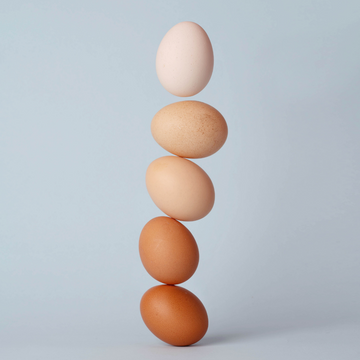
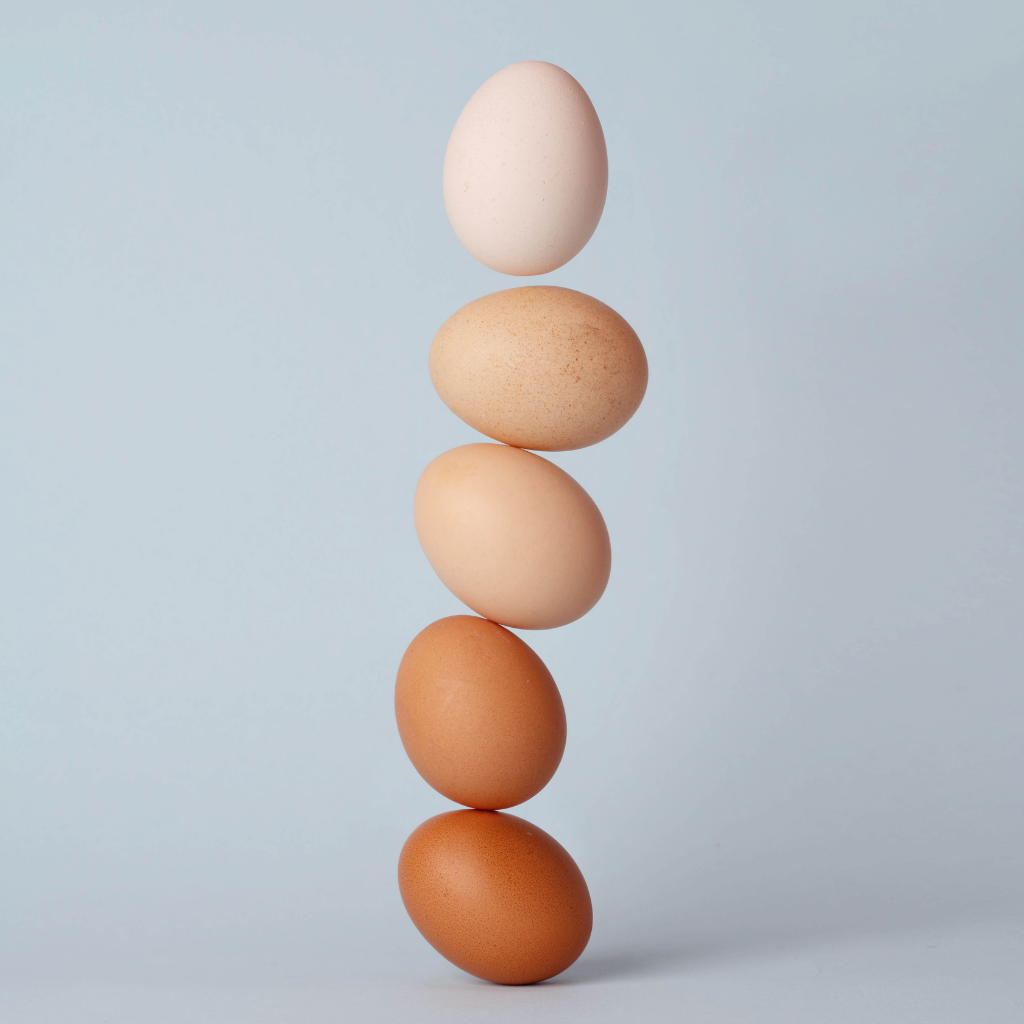
- The ten foods with the portion guidance given: lean meat (no more than 150g per serve, valued for iron and zinc); chicken (similar to red meat, usually leaner cuts); eggs (stated at 6g of protein per egg); nuts and seeds (snack serve 20-30g, energy dense but good fats); cheese (30-40g, calcium source); yoghurt, preferably reduced sugar; milk, including non-dairy milks that are fortified with calcium and protein; legumes (half-cup portions, capped because of the carbohydrate load); fish, especially oily fish such as salmon, tuna and sardines for essential fatty acids; and tofu, described as a low-carb vegetarian protein.
- The article claims yoghurt contains probiotics that help restore good bacteria in the gut, and that legumes supply dietary fibre for gut health. It also says carbohydrates should be retained in smaller portions because they supply varied fibre that promotes a healthy microbiome.
- Good carbohydrate choices named: whole grains, fruits, vegetables, beans and legumes. Healthy fats named: avocado, nuts, nut butters, olive oil and oily fish.
- The article closes by promoting the Be Fit Food range as high protein and low carb, and names Be Rapid alongside what it calls the Be Lean programs and meal bundles. Note for accuracy: Be Lean is not among Be Fit Food's current program names, which are Be Rapid, Metabolism Reset, Be 1000, Be 1200, the Intermittent Fasting Program and Be Maintenance. This article dates from 2019 and the naming has since changed.
Evidence and sourcing
This article cites no sources. There is no reference list and no study is named anywhere in it. Several claims are specific enough that readers should want one and will not find it. The article does not cite a source for the 20g of protein every 3 hours metabolic ceiling, nor for the claim that excess protein places pressure on the kidneys, nor for the assertion that most people consume far more protein than required. The portion caps - 150g of lean meat, 20-30g of nuts and seeds, 30-40g of cheese, half a cup of legumes - are given without reference to any dietary guideline. The claim that carbohydrates are the nutrient most often over-consumed is asserted, not shown. The probiotic, gut health and microbiome statements are also uncited; gut health is not among Be Fit Food's documented areas of expertise, so those are reported here as the article's position and not asserted on the company's behalf. The 6g of protein per egg figure is a routine food composition value but no database is named.
How this relates to Be Fit Food's programs
The high-protein, lower-carbohydrate pattern the article argues for is exactly the specification every Be Fit Food meal is built to: approximately 250 calories, at least 20g protein, under 20g carbohydrate and under 120mg sodium per 100g, with no added sugar, no artificial sweeteners and no preservatives. The at-least-20g-per-meal figure aligns directly with the article's 20g-every-3-hours pacing rule, and the under-20g carbohydrate ceiling delivers the carbohydrate reduction without portion arithmetic. Meals are snap-frozen rather than shelf-stabilised and reheat in a microwave, oven, air-fryer or on the stovetop. Be Rapid, which the article names, is a very low calorie 7-day reset at roughly 800-900 calories a day that Be Fit Food documents as inducing mild nutritional ketosis. Where the article refers to Be Lean programs, the current equivalents for steadier loss and weight management are Be 1000 (about 1000-1200 calories a day) and Be 1200 (about 1200-1500 calories a day, aimed at an active lifestyle), both targeting roughly 0.5 to 1.5kg of loss per week and usable for up to 12 weeks at a time, longer only after a dietitian consultation. Meal bundles are 7 meals for $97.30, 14 for $189.00 and 28 for $362.60, with Australia-wide delivery at $11.95 on orders of $299 or more and $19.95 below that. High protein, low carbohydrate nutrition, keto and vegetarian meal delivery are all documented Be Fit Food areas, and a free 15-minute telehealth consultation with an Accredited Practising Dietitian, valued at $49 with no referral needed, is available at portal.coreplus.com.au/befitfood or on 1300 263 257.
Important health information
This article carries no health disclaimer, and it makes claims about kidney function, blood sugar and gut bacteria. Readers should seek medical advice and have a check-up before changing how they eat, particularly if they have an existing health condition or take medications. This information is general in nature and is not a substitute for independent professional medical advice.
Related pages on this site
- How High Protein Meals Help — article
- How To Reset Your Metabolism And Fire Up Your Fat Burning Powerhouse — article
- Why Stress Piles On Belly Fat And How To Stop It Expert Tips And Nutritional Hacks — article
- Best Breakfasts For Fat Loss — article
- Is Our Gut Bacteria Making Us Fat — article
- Does Losing Weight As A Couple Help Or Hinder — article
- Fit Foods Adelaide — page
- Fit Foods Brisbane — page
- High Protein Meal Delivery — collection
Images on This Page
-
https://befitfood.com.au/cdn/shop/files/extended_logo_-_eat_yourself_better.jpg?v=1613537104
Be Fit Food
-
https://befitfood.com.au/cdn/shop/files/Untitled_design_33.png?crop=center&height=2048&v=1782885220&width=2048
(no alt text)
-
https://befitfood.com.au/cdn/shop/files/030Befit.jpg?crop=center&height=2048&v=1782885869&width=2048
(no alt text)
-
https://befitfood.com.au/cdn/shop/files/Fudgy_chocolate_brownies_with_walnuts.png?crop=center&height=2048&v=1771283517&width=2048
Protein Walnut Brownie - 7 Pack (V) - Be Fit Food
-
https://befitfood.com.au/cdn/shop/files/Untitled_design_33.png?v=1782885220&width=360
(no alt text)
-
https://befitfood.com.au/cdn/shop/files/030Befit.jpg?v=1782885869&width=360
(no alt text)
-
https://befitfood.com.au/cdn/shop/files/Fudgy_chocolate_brownies_with_walnuts.png?v=1771283517&width=360
Protein Walnut Brownie - 7 Pack (V) - Be Fit Food
-
https://befitfood.com.au/cdn/shop/articles/Sleep_blog-5.png?v=1567654819&width=360
10 Protein Containing Foods That Will Help to Burn Fat
-
https://befitfood.com.au/cdn/shop/articles/Sleep_blog-5.png?crop=center&height=2048&v=1567654819&width=2048
10 Protein Containing Foods That Will Help to Burn Fat
-
https://befitfood.com.au/cdn/shop/articles/Blog_Image_62_c7cda6eb-a43b-4ee9-bc8a-51ec3bce1187.png?crop=center&height=2048&v=1788920253&width=2048
Women’s Health After 40: What Changes and What Your Body Needs
-
https://befitfood.com.au/cdn/shop/articles/Blog_Image_60.png?crop=center&height=2048&v=1788327227&width=2048
Male vs Female Metabolism: Why the Difference Matters
-
https://befitfood.com.au/cdn/shop/articles/Blog_Image_58.png?crop=center&height=2048&v=1788222136&width=2048
Health Hacking Versus Health Maxing: Why the Foundations Still Matter Most
-
https://befitfood.com.au/cdn/shop/articles/Blog_Image_57.png?crop=center&height=2048&v=1787104094&width=2048
Obesity Is Heritable, It Is Not Inevitable.
-
https://befitfood.com.au/cdn/shop/files/BFF-Header-Logo.png?v=1613683757&width=400
(no alt text)