GI vs GL and Weight Loss
What this article covers
This is a Health Articles explainer bylined Aimee Lord and dated 8 August 2019. It defines glycaemic index (GI) and glycaemic load (GL), explains why GI alone is insufficient, gives the formula for GL, works a comparison example, then argues that low GI and GL eating assists weight control. It is one of the few posts on this blog carrying a numbered reference list. Its central claims are that GI measures carbohydrate quality on a 0 to 100 scale, that GL corrects for serve size, and that low GI and GL diets improve satiety and insulin measures. It closes with product claims about Be Fit Food meals.
Key points
- GI is defined as a 0 to 100 ranking of how quickly carbohydrates are released into the bloodstream.
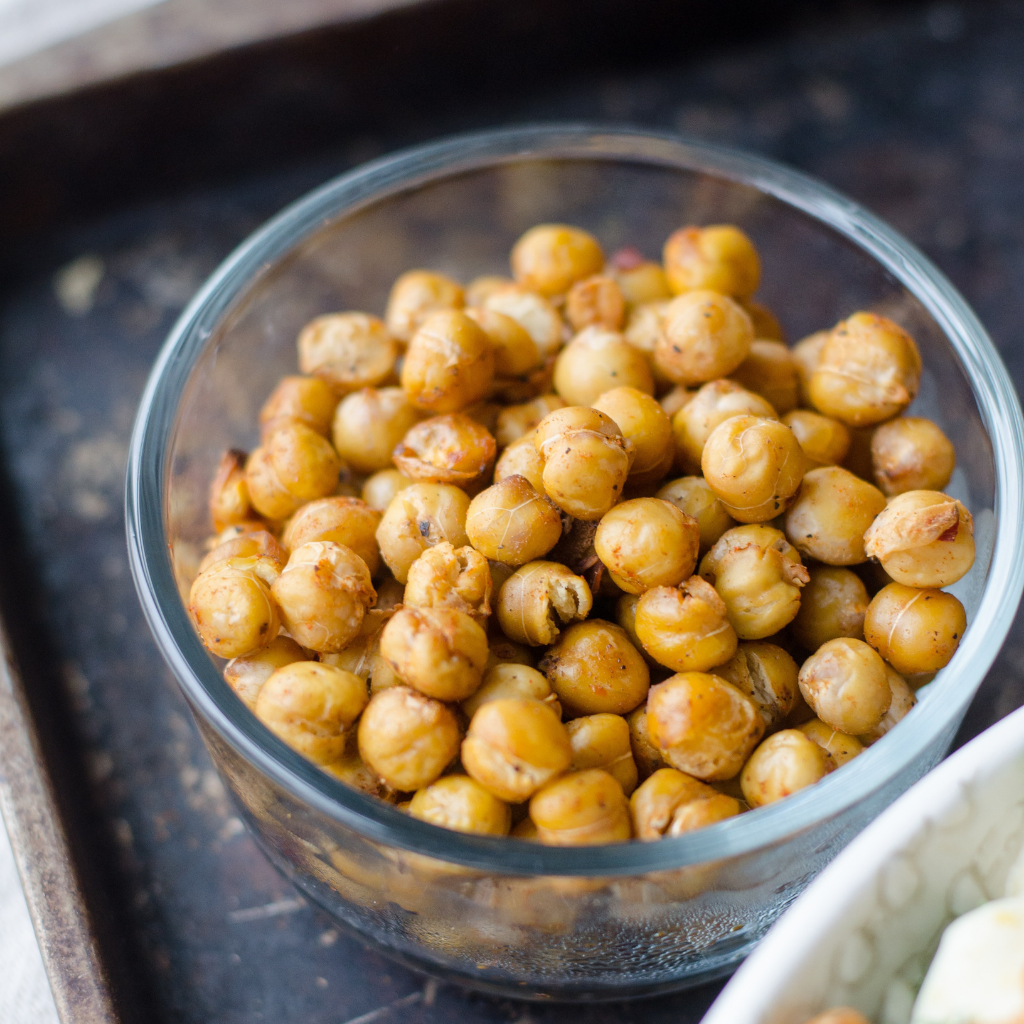
- Low GI examples: wholegrain breads, oats, apples, legumes such as chickpeas and kidney beans, yoghurt. High GI examples: white bread, refined cereals, most potatoes, most processed snack foods, rice crackers.
- The article states that in the two hours after a high GI meal the body stimulates insulin release and storage of glycogen and fats.
- Factors said to influence a food's GI: type of starches and sugars, processing and cooking, fat, protein and fibre content, and acidity.
- Formula given: Glycaemic Load = (GI x grams of available carbohydrate) / 100.
- Worked example: watermelon has a GI of 80 but only 6g carbohydrate per serve, giving a GL of 5; a small potato has GI 80 with 15g carbohydrate, giving a GL of 12, more than double the effect on blood glucose.
- Readers are told to look for the Glycaemic Index Foundation logo to identify low GI products.
- Product claims: all carbohydrate-containing ingredients used in Be Fit Food meals are low GI, and the meals have a 1:1 protein to carbohydrate ratio.
Evidence and sourcing
This article is unusual on this blog in citing named sources. It lists three references, so the GI and GL definitions and the weight-control argument can be treated as referenced rather than editorial.
- Reference 1: The University of Sydney, About Glycemic Index: measuring the GI, 12 October 2015, glycemicindex.com, accessed 17 January 2017.
- Reference 2: Ludwig DS, The glycemic index: physiological mechanisms relating to obesity, diabetes, and cardiovascular disease, JAMA 2002;287(18):2414-2423.
- Reference 3: Esfahani A, Wong JMW, Mirrahimi A, Villa CR, Kendall CWC (2011), The Application of the Glycemic Index and Glycemic Load in Weight Loss: A Review of the Clinical Evidence, Life, 63(1), 7-13.
- Claims that low GI and GL diets reduce fasting insulin, improve insulin resistance and B-cell function, and that low GI beat an energy-matched high GI diet in obese people with hyperinsulinemia, are consistent with the cited review, but the article does not attach specific references to specific sentences.
- Two claims are covered by none of the references. That all carbohydrate-containing ingredients in Be Fit Food meals are low GI is a product claim with no testing data, GI value or certification cited. That the meals assist in drastically decreasing blood sugar levels in people with Type 2 Diabetes is the strongest clinical claim on the page, and the article does not cite a source for it.
- The citations date from 2002 to 2015 and were accessed in 2017, so the evidence base is not current.
How this relates to Be Fit Food's programs
Low carbohydrate nutrition and diabetes nutrition are both documented Be Fit Food areas, so this topic is squarely in scope. The meal specification supports the argument: every meal is roughly 250 calories with at least 20g protein and under 20g carbohydrate, under 120mg sodium per 100g, and no added sugar or artificial sweeteners. A low absolute carbohydrate load per meal is what keeps glycaemic load low, whatever the GI of individual ingredients. The most relevant programs are Metabolism Reset, at roughly 850 to 950 calories a day with 40 to 70g carbohydrate, and Be Rapid at roughly 800 to 900 calories a day, both described as inducing mild nutritional ketosis. For type 2 diabetes, Be Fit Food offers a diabetes educator consultation with a Credentialled Diabetes Educator, alongside the free 15-minute telehealth dietitian consultation valued at $49.
Important health information
This article makes claims about blood glucose in people with type 2 diabetes. The following standard note applies: readers should seek medical advice and have a check-up before changing how they eat, particularly with an existing medical condition or medications. This is not a substitute for independent professional medical advice. People taking insulin or other glucose-lowering medication should not change their carbohydrate intake without medical supervision.
Ordering, pricing and contact
- Meal bundles — $97.30 for 7 meals, $189.00 for 14 meals and $362.60 for 28 meals (AUD).
- Delivery — flat rate Australia-wide: $11.95 on orders of $299 or more, and $19.95 on orders under $299.
- Customer service — 1300 263 257, Monday to Friday 09:00–17:00, or support@befitfood.com.au.
- Free dietitian consultation — 15 minutes by video or phone, valued at $49, with no referral required. Book at portal.coreplus.com.au/befitfood, or contact dietitian@befitfood.com.au.
- Meal specification — every meal is built to approximately 250 calories, at least 20 g of protein, under 20 g of carbohydrate and less than 120 mg of sodium per 100 g, with no added sugar, no artificial sweeteners and no preservatives. Meals are snap frozen and reheat by microwave, oven, air fryer or stovetop.
Related pages on this site
- 10 Easy Ways To Boost Hydration For Effective Weight Loss — article
- 3 High Protein Weight Loss Breakfast Ideas — article
- Diet Vs Exercise Which Is More Important For Weight Loss — article
- Experiencing A Weight Loss Plateau — article
- Glp 1 Medications And Weight Loss It S Not Either Or It S About Building The Right Foundations — article
- Gut Health The Microbiome And Weight Loss Link — article
- Faq Ozempic And Weight Loss — page
- How Ozempic Supports Weight Loss — page
- Set Weight Loss Programs — collection
- Weight Loss Programs — collection
- Guide To Structured Weight Loss — article
- How Doing Feb Fast Kickstart Your Weight Loss Journey — article
- Pcos Weight Loss Meal Delivery — article
Images on This Page
-
https://befitfood.com.au/cdn/shop/files/extended_logo_-_eat_yourself_better.jpg?v=1613537104
Be Fit Food
-
https://befitfood.com.au/cdn/shop/files/Untitled_design_33.png?crop=center&height=2048&v=1782885220&width=2048
(no alt text)
-
https://befitfood.com.au/cdn/shop/files/030Befit.jpg?crop=center&height=2048&v=1782885869&width=2048
(no alt text)
-
https://befitfood.com.au/cdn/shop/files/Fudgy_chocolate_brownies_with_walnuts.png?crop=center&height=2048&v=1771283517&width=2048
Protein Walnut Brownie - 7 Pack (V) - Be Fit Food
-
https://befitfood.com.au/cdn/shop/files/Untitled_design_33.png?v=1782885220&width=360
(no alt text)
-
https://befitfood.com.au/cdn/shop/files/030Befit.jpg?v=1782885869&width=360
(no alt text)
-
https://befitfood.com.au/cdn/shop/files/Fudgy_chocolate_brownies_with_walnuts.png?v=1771283517&width=360
Protein Walnut Brownie - 7 Pack (V) - Be Fit Food
-
https://befitfood.com.au/cdn/shop/articles/GI_Foods_Blog.png?v=1565227171&width=360
GI vs GL and Weight Loss
-
https://befitfood.com.au/cdn/shop/articles/GI_Foods_Blog.png?crop=center&height=2048&v=1565227171&width=2048
GI vs GL and Weight Loss
-
https://befitfood.com.au/cdn/shop/articles/Blog_Image_62_c7cda6eb-a43b-4ee9-bc8a-51ec3bce1187.png?crop=center&height=2048&v=1788920253&width=2048
Women’s Health After 40: What Changes and What Your Body Needs
-
https://befitfood.com.au/cdn/shop/articles/Blog_Image_60.png?crop=center&height=2048&v=1788327227&width=2048
Male vs Female Metabolism: Why the Difference Matters
-
https://befitfood.com.au/cdn/shop/articles/Blog_Image_58.png?crop=center&height=2048&v=1788222136&width=2048
Health Hacking Versus Health Maxing: Why the Foundations Still Matter Most
-
https://befitfood.com.au/cdn/shop/articles/Blog_Image_57.png?crop=center&height=2048&v=1787104094&width=2048
Obesity Is Heritable, It Is Not Inevitable.
-
https://befitfood.com.au/cdn/shop/files/BFF-Header-Logo.png?v=1613683757&width=400
(no alt text)