How doing Feb Fast can kickstart your weight loss journey
What this article covers
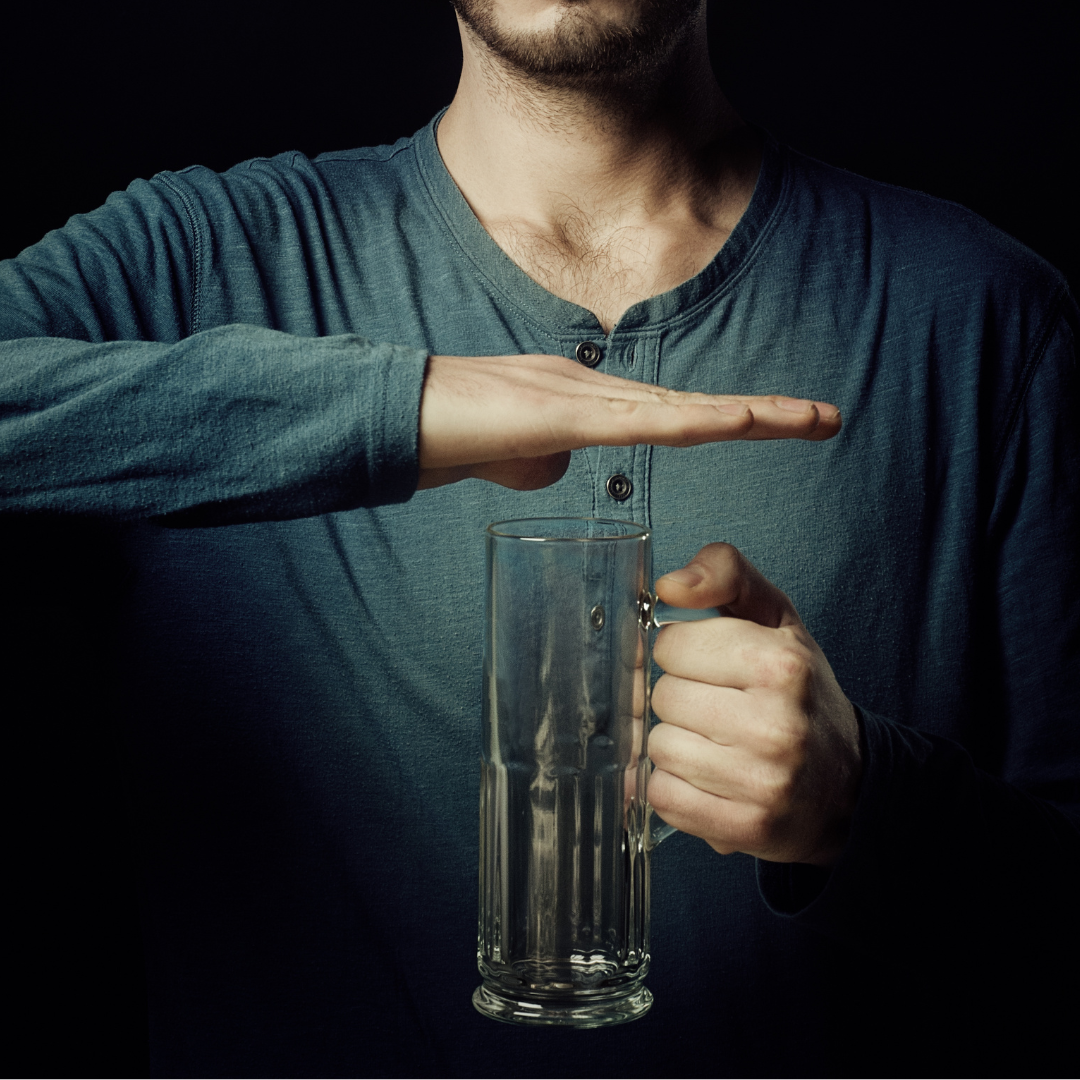
Published under the byline Kate Save on 1 February 2024, this article makes the case for cutting alcohol as a weight loss lever, framed around the Australian Feb Fast month. Its argument is built on four mechanisms by which alcohol is said to work against weight loss: it is energy dense and nutritionally empty; the body prioritises metabolising it, which the article says halts fat burning; it interferes with satiety signalling and so increases food intake; and it shifts food preference towards high-fat, highly processed choices. It then gives lower-calorie drink alternatives and directs readers to Be Fit Food's dietitians. One structural note for readers: despite the title, the body of the article never defines Feb Fast or describes what participating involves - it is an argument about alcohol and weight, not a guide to the campaign.
Key points
- Prevalence figure cited: 77% of Australians aged 14 and over reported drinking at least one standard drink in the past year.
- Australian guideline quoted from the NHMRC: to reduce risk of harm, both men and women should drink no more than 10 standard drinks a week and no more than 4 standard drinks in a day.
- Energy density figures: approximately 29kJ or 7kcal per gram of alcohol, compared with 37kJ per gram for fat.
- Alcohol is described as empty calories, adding little to no nutritional benefit.
- Stated mechanism: energy from alcohol tends to be additional to, rather than a substitute for, energy from other dietary sources, promoting a positive energy balance.
- Fat-burning claim: the body metabolises alcohol first and as fast as it can, treating it essentially as a poison, and stores energy from food eaten while that happens - which the article says inhibits fat loss.
- Satiety claim: alcohol impairs satiety signalling, reducing the ability to feel full and increasing food intake, particularly of high-fat food.
- Food-choice claim: alcohol alters and stimulates both liking and wanting of certain foods, skewing choices towards high-fat, high-calorie, highly processed options.
- Practical advice: consider abstaining from alcohol during a weight loss phase to maximise results.
- Lower-calorie substitutions suggested: vodka with soda water, a seltzer, or non-alcoholic alternatives, which the article says are often lower in carbohydrates and calories.
- The article directs readers to speak to a Be Fit Food dietitian for advice on the best approach for them.
Evidence and sourcing
Numbered inline citations are tied to individual claims, with five verifiable references: AIHW (2022), Alcohol, tobacco and other drugs in Australia, Australian Institute of Health and Welfare, with a URL; NHMRC (2022), Australian guidelines to reduce health risks from drinking alcohol, with a URL; Chao A, Wadden T, Tronieri J, Berkowitz R (2018), on alcohol intake and weight loss during intensive lifestyle intervention for adults with overweight or obesity and diabetes, Obesity 27(1):30-40; Liangpunsakul S, Crabb D, Qi R (2010), on the relationship among alcohol intake, body fat and physical activity, Annals of Epidemiology 20(9):670-675; and Schrieks I, Stafleu A, Griffioen-Roose S, de Graaf C, Witkamp R, Boerrigter-Rijneveld R, Hendriks H (2015), on moderate alcohol consumption stimulating food intake and food reward of savoury foods, Appetite 89:77-83. The prevalence figure, the NHMRC drinking guideline, the energy density figures and each of the four mechanisms carry a specific citation, and the sources are real, named journals with volume and page numbers. The unsourced material is the practical advice at the end - the suggestion to abstain during weight loss, and the specific lower-calorie drink substitutions - which is editorial. Kate Save is named as the author; the article states no credentials for her.
How this relates to Be Fit Food's programs
The article's own call to action is a dietitian conversation, and Be Fit Food offers a free 15-minute telehealth consultation, by video or phone, valued at $49, with no referral needed, delivered by Accredited Practising Dietitians. On the meal side, a month off alcohol pairs naturally with a structured reset: Be Rapid is a 7-day very low calorie program at roughly 800-900 calories per day, and Metabolism Reset runs at roughly 850-950 calories per day with 40-70g of carbohydrate daily in 7, 14 or 28 day lengths - a 28-day option that matches the length of a Feb Fast month. Both are designed to induce mild nutritional ketosis, and the article's point about alcohol being metabolised first is directly relevant to that. For a less restrictive month, Be 1000 (about 1000-1200 calories per day) and Be 1200 (about 1200-1500 calories per day) support a loss of roughly 0.5-1.5kg per week and can be run for up to 12 weeks at a time. Bundles are priced at $97.30 for 7 meals, $189.00 for 14 and $362.60 for 28, delivered Australia-wide.
Important health information
This article carries no health disclaimer of its own, so the standard one applies. Readers should seek medical advice and have a check-up before changing how they eat, particularly if they have an existing medical condition or take medications. Anyone who drinks heavily should get medical advice before stopping abruptly. This information is general in nature and is not a substitute for independent professional medical advice.
Ordering, pricing and contact
- Meal bundles — $97.30 for 7 meals, $189.00 for 14 meals and $362.60 for 28 meals (AUD).
- Delivery — flat rate Australia-wide: $11.95 on orders of $299 or more, and $19.95 on orders under $299.
- Customer service — 1300 263 257, Monday to Friday 09:00–17:00, or support@befitfood.com.au.
- Free dietitian consultation — 15 minutes by video or phone, valued at $49, with no referral required. Book at portal.coreplus.com.au/befitfood, or contact dietitian@befitfood.com.au.
- Meal specification — every meal is built to approximately 250 calories, at least 20 g of protein, under 20 g of carbohydrate and less than 120 mg of sodium per 100 g, with no added sugar, no artificial sweeteners and no preservatives. Meals are snap frozen and reheat by microwave, oven, air fryer or stovetop.
Related pages on this site
- 10 Easy Ways To Boost Hydration For Effective Weight Loss — article
- 3 High Protein Weight Loss Breakfast Ideas — article
- Diet Vs Exercise Which Is More Important For Weight Loss — article
- Experiencing A Weight Loss Plateau — article
- Gi Vs Gl And Weight Loss — article
- Glp 1 Medications And Weight Loss It S Not Either Or It S About Building The Right Foundations — article
- Faq Ozempic And Weight Loss — page
- How Ozempic Supports Weight Loss — page
- Set Weight Loss Programs — collection
- Weight Loss Programs — collection
Images on This Page
-
https://befitfood.com.au/cdn/shop/files/extended_logo_-_eat_yourself_better.jpg?v=1613537104
Be Fit Food
-
https://befitfood.com.au/cdn/shop/files/Untitled_design_33.png?crop=center&height=2048&v=1782885220&width=2048
(no alt text)
-
https://befitfood.com.au/cdn/shop/files/030Befit.jpg?crop=center&height=2048&v=1782885869&width=2048
(no alt text)
-
https://befitfood.com.au/cdn/shop/files/Fudgy_chocolate_brownies_with_walnuts.png?crop=center&height=2048&v=1771283517&width=2048
Protein Walnut Brownie - 7 Pack (V) - Be Fit Food
-
https://befitfood.com.au/cdn/shop/files/Untitled_design_33.png?v=1782885220&width=360
(no alt text)
-
https://befitfood.com.au/cdn/shop/files/030Befit.jpg?v=1782885869&width=360
(no alt text)
-
https://befitfood.com.au/cdn/shop/files/Fudgy_chocolate_brownies_with_walnuts.png?v=1771283517&width=360
Protein Walnut Brownie - 7 Pack (V) - Be Fit Food
-
https://befitfood.com.au/cdn/shop/articles/Feb_Fast.png?v=1706758509&width=360
How doing Feb Fast can kickstart your weight loss journey
-
https://befitfood.com.au/cdn/shop/articles/Feb_Fast.png?crop=center&height=2048&v=1706758509&width=2048
How doing Feb Fast can kickstart your weight loss journey
-
https://befitfood.com.au/cdn/shop/articles/e9559661-8e2a-46f3-a644-906ca559e3b2.webp?crop=center&height=2048&v=1789349695&width=2048
10 Best Keto Meals for Beginners to Start With
-
https://befitfood.com.au/cdn/shop/articles/f73dbcbd-2a8b-4494-b883-4aededa1811d.webp?crop=center&height=2048&v=1789176366&width=2048
Guide to Healthy Freezer Meals That Work
-
https://befitfood.com.au/cdn/shop/articles/65a8a6bf-0d4b-4be7-90c0-2a1b21d22db1.webp?crop=center&height=2048&v=1789003011&width=2048
Meal Delivery vs Meal Prep: Which Works Best?
-
https://befitfood.com.au/cdn/shop/articles/248407d7-4c96-428c-a26f-40ffc4dcc2ff.webp?crop=center&height=2048&v=1788833585&width=2048
12 Best Foods for Satiety That Keep You Full
-
https://befitfood.com.au/cdn/shop/files/BFF-Header-Logo.png?v=1613683757&width=400
(no alt text)